
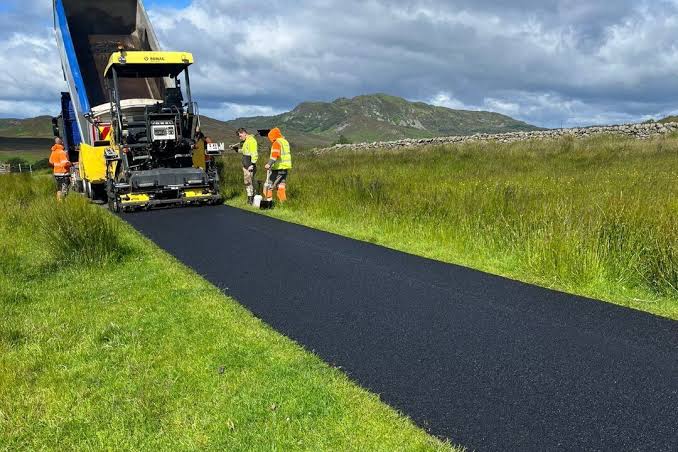
Best Materials for Farm Lane Repair in Lacoochee, FL and Surrounding Areas
Farm lanes in Lacoochee, Florida, need materials that can handle agricultural equipment, changing weather, standing water, and repeated traffic. Choosing the right base and surface material can reduce rutting, erosion, mud, and frequent maintenance. Pasco County roadway standards also recognize materials such as stabilized subgrade, crushed concrete, and lime rock in roadway construction, showing the importance of proper base preparation.
What Materials Work Best for Farm Lane Repair in Lacoochee, FL?
Crushed stone, road base, crusher run, and properly graded driveway gravel are among the most practical materials for repairing farm lanes. Road base and compactable aggregates can create a stronger foundation, while smaller crushed stone can provide a stable driving surface. The best choice depends on soil conditions, drainage, traffic, and the weight of farm equipment using the lane.
Is Crushed Stone a Good Choice for Farm Lanes?
Yes, crushed stone is an effective option when a farm lane needs improved stability. Its angular pieces interlock when compacted, helping create a firm surface that is less likely to shift under tractors, trucks, and other agricultural equipment. A properly prepared stone base can also help reduce deep ruts and potholes.
Why Is Road Base Important for Farm Lane Repair?
Road base provides structural support beneath the finished surface. It is particularly useful when the existing lane has soft spots, repeated ruts, or areas where vehicles sink after rain. Installing and compacting an appropriate base before adding surface gravel can make the lane more durable and reduce future repairs. Road base and crusher run are commonly used for load-bearing rural access ways.
Can Crusher Run Be Used on Farm Roads in Lacoochee?
Crusher run can be a practical material for farm lanes because it contains a combination of larger aggregate and smaller particles. When properly spread and compacted, these particles lock together to create a relatively firm surface. It can work particularly well for lanes receiving regular tractor, trailer, and pickup-truck traffic.
Is Crushed Concrete Suitable for Agricultural Access Roads?
Crushed concrete can be considered when a durable recycled aggregate is appropriate for the project. It can provide a useful base or surface layer when properly graded and compacted. However, material quality and local requirements should be considered before installation. Pasco County roadway provisions specifically reference crushed concrete as an acceptable construction material in applicable roadway work.
How Does Gravel Help Prevent Farm Lane Damage?
Gravel helps create a more stable driving surface while allowing water to move through the lane rather than remaining on top. Driveway gravel and crushed stone can be especially useful where an existing dirt lane becomes muddy or develops potholes. Proper grading and compaction are still important because simply adding loose gravel over a damaged surface may not solve underlying drainage or soil problems.
What Material Should Be Used for Wet Areas Around Lacoochee?
Wet sections may require more than additional surface gravel. Drainage rock, crushed stone, or a properly designed base can help improve water movement, while grading can direct runoff away from the driving surface. In areas with persistent standing water, addressing the drainage problem before adding aggregate is often more effective than repeatedly replacing washed-out gravel.
How Important Is Compaction During Farm Lane Repair?
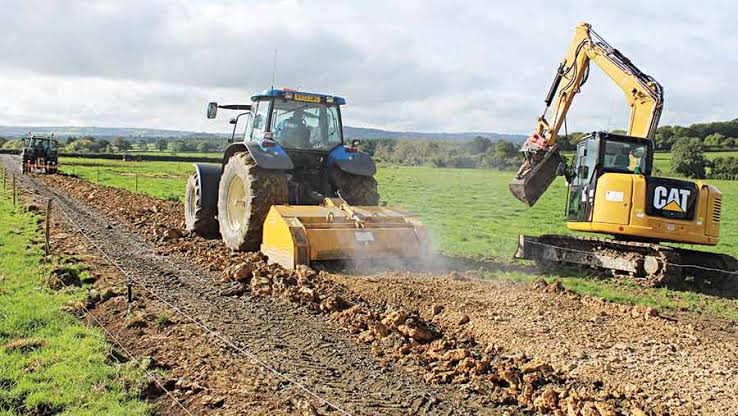
Compaction is one of the most important parts of a successful farm lane repair. Aggregate placed over poorly prepared soil can move, settle, and develop ruts under heavy equipment. Building the lane in suitable layers and compacting each layer helps create a stronger surface that can withstand repeated agricultural traffic.
Which Materials Are Best for Farms Near Dade City and Trilby?
Farm properties around Dade City, Trilby, and nearby rural communities can benefit from properly selected road base, crushed stone, crusher run, or driveway gravel. Material selection should account for the condition of the existing lane and the type of equipment using it. Local aggregate suppliers and excavation professionals can also help determine the appropriate material quantity and grading requirements.
Can the Same Farm Lane Materials Work in Zephyrhills and San Antonio?
Many of the same aggregate materials can be used throughout surrounding Pasco County communities, but the correct combination depends on the property. Soil conditions, drainage, lane slope, traffic volume, and seasonal weather can all affect performance. A material that works well on one farm lane may require a different base or drainage approach on another property.
Final Thought
The best material for a farm lane in Lacoochee, FL depends on the lane's soil, drainage, traffic, and intended use. Road base, crushed stone, crusher run, and quality driveway gravel can all play an important role when properly selected and installed. A professional assessment can help determine whether the lane needs simple resurfacing, deeper base repair, improved drainage, or complete reconstruction.
What is the best gravel for a farm lane?
A compactable driveway gravel or properly graded crushed aggregate is often a good choice, especially when installed over a stable base.
How thick should a farm lane repair be?
The required depth varies according to soil conditions, traffic, drainage, and equipment loads. Heavier agricultural traffic generally requires stronger base preparation.
Does farm lane repair require drainage?
Drainage is essential for long-term performance. Water that remains on or beneath the lane can contribute to erosion, rutting, and soft spots.
Can crushed concrete be used for farm lane repair?
Yes, crushed concrete can be suitable for certain base and access-road applications when the material meets applicable requirements and is properly installed.
Should gravel be placed directly over mud?
Usually, simply placing gravel over very soft or saturated soil is not the best long-term solution. The weak area may need grading, drainage improvements, stabilization, or additional base material first.