
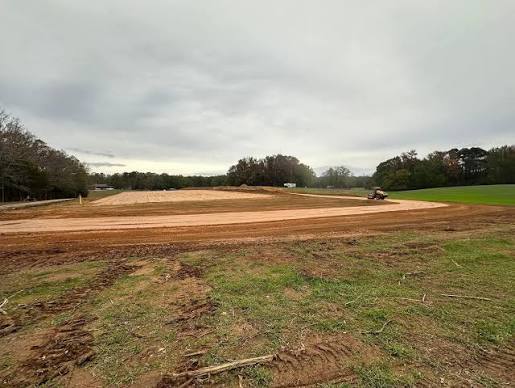
DIY Maintenance Tips for Farm Lanes in Lacoochee, FL and Surrounding Areas
Farm lanes are essential for providing safe and reliable access to fields, barns, livestock areas, and equipment storage. Regular DIY maintenance can help property owners in Lacoochee, FL keep their farm lanes in excellent condition while reducing long-term repair costs. Whether your property is located in Lacoochee or nearby communities such as Dade City, Trilby, Ridge Manor, San Antonio, Zephyrhills, Brooksville, Webster, and Land O' Lakes, proper maintenance helps improve drainage, prevents erosion, and extends the lifespan of gravel or dirt roads. With routine inspections and simple maintenance techniques, you can keep your farm lanes safe, functional, and ready for daily agricultural use throughout the year.
How Can You Inspect Your Farm Lane for Early Signs of Damage?
A thorough inspection is the first step in maintaining a farm lane. Walk or drive along the entire lane and look for potholes, ruts, loose gravel, standing water, washouts, or overgrown vegetation. Identifying small problems early allows you to make quick repairs before they become expensive issues.
What Is the Best Way to Fill Potholes on a Farm Lane?
Small potholes should be cleaned of loose debris before adding fresh gravel or crushed stone. Compact the material in thin layers using a hand tamper or roller to create a firm surface. Proper compaction helps prevent the pothole from reappearing after heavy traffic or rainfall.
Why Is Proper Drainage Important for Farm Lane Maintenance?
Poor drainage is one of the leading causes of lane deterioration. Water that remains on the surface softens the soil and creates ruts and potholes. Keep ditches, culverts, and drainage channels clear so rainwater can flow away from the lane and reduce erosion.
How Can You Prevent Ruts from Forming on Farm Roads?
Ruts often develop when vehicles repeatedly travel over wet surfaces. Avoid driving on saturated lanes whenever possible, redistribute gravel where needed, and grade the surface periodically to maintain a smooth driving path with adequate drainage.
When Should You Add Fresh Gravel to a Farm Lane?
Gravel naturally shifts and wears down over time due to vehicle traffic and weather conditions. If the surface becomes uneven, muddy, or develops bare spots, adding a new layer of quality gravel helps restore stability and improves traction for farm equipment.
How Does Vegetation Control Protect Farm Lanes?
Grass, weeds, shrubs, and tree branches can gradually damage the edges of a farm lane. Regular mowing and trimming improve visibility, allow proper drainage, and prevent roots from weakening the road structure. Keeping vegetation under control also makes the lane safer for daily use.
What Equipment Can Help with DIY Farm Lane Maintenance?
Many farm owners can maintain their lanes using equipment they already own. Tractors with box blades, rear blades, landscape rakes, compactors, shovels, wheelbarrows, and grading tools are commonly used for leveling surfaces, spreading gravel, and repairing minor damage efficiently.
How Often Should Farm Lanes Be Maintained?
Farm lanes should be inspected throughout the year, especially after heavy rainstorms or periods of frequent equipment use. Seasonal grading, gravel replacement, vegetation control, and drainage inspections help prevent major repairs and keep the lane in reliable condition year-round.
Can Regular Maintenance Extend the Life of a Farm Lane?
Yes. Consistent maintenance reduces erosion, prevents water damage, minimizes surface wear, and keeps the lane structurally sound. Addressing minor issues promptly helps avoid costly reconstruction while ensuring safe access for vehicles, livestock, and farm machinery.
When Should You Hire Professionals Instead of Doing It Yourself?
DIY maintenance works well for routine upkeep, but professional assistance is recommended for severe erosion, major washouts, drainage redesign, extensive grading, or complete lane reconstruction. Experienced contractors have specialized equipment to restore farm lanes efficiently and safely.
Final Thoughts
Routine DIY maintenance is one of the most effective ways to protect your farm lanes and avoid expensive repairs. Property owners in Lacoochee, FL, along with nearby Dade City, Trilby, Ridge Manor, San Antonio, Zephyrhills, Brooksville, Webster, and Land O' Lakes, can benefit from regular inspections, proper drainage, timely gravel replacement, and vegetation management. With consistent care, your farm lanes will remain durable, safe, and dependable for years to come.
How often should I inspect my farm lane?
Inspect your farm lane at least once every season and after heavy rainfall to identify drainage problems, potholes, or erosion before they worsen.
What type of gravel works best for farm lanes?
Crushed limestone or well-graded crushed stone provides excellent durability, drainage, and traction for most farm lanes.
Can I repair potholes myself?
Yes. Small potholes can usually be repaired by cleaning the area, adding fresh gravel, and compacting it properly to create a stable surface.
Why does my farm lane develop potholes after rain?
Rainwater weakens the road base when drainage is poor. Standing water combined with vehicle traffic causes the surface to break apart and form potholes.
Is grading necessary every year?
Most farm lanes benefit from annual grading, although heavily used lanes may require more frequent maintenance depending on traffic and weather conditions.